

Eliminate painful symptoms and save a vulnerable tooth at Santa Ana Magic Smile, a dentist in Santa Ana, with a root canal. With modern techniques and expert care, we turn this routine dental procedure into a positive, comfortable experience.
What Is a Root Canal?
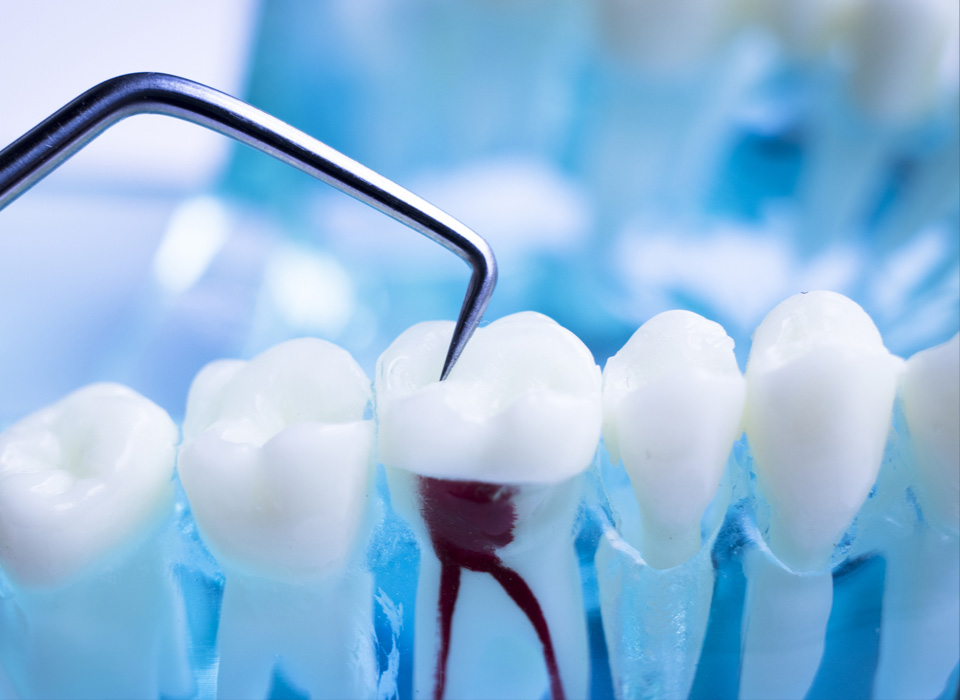
A root canal is a routine dental procedure designed to save a tooth. When the inner part of the tooth (the pulp) becomes compromised due to decay or damage, it may need clearing out. A root canal involves removing the inner pulp and sealing the interior tooth to keep it alive and healthy.
- Bacteria has entered the tooth
- A tooth has severe decay
- An injury cracked the tooth

The Advantages of a Root Canal
- Can save a tooth from dying
- Pain-free procedure
- Experience relief from painful symptoms
- Prevent higher-risk conditions down the road
How to Get a Root Canal
Consultation
Clearing Out the Pulp
Sealing the Tooth
Dental Emergency? We got you covered.
We are open 5 days a week, including Saturday and evening appointments. Same Day appointments available.
FAQs
What causes root canal infections?
Root canal infections can have several causes. Most often, they are the result of deep cavities, dental trauma, or previous unsuccessful dental treatments.
Is a root canal painful?
How do I know I need a root canal?
How much does a root canal cost?
How long is the recovery process after a root canal?
Initial recovery from the root canal procedure takes approximately 1 to 2 weeks. During this time, soreness and sensitivity should subside. Full healing of the surrounding bone and tissue will take longer, with the exact timeline depending on the severity of the infection and your individual healing factors.
Is it better to have a root canal or tooth extraction?
If the natural tooth is salvageable, saving it with a root canal is preferable to tooth extraction. Our dentists will conduct a thorough assessment of your dental health to determine the best option for you.
What is the success rate of root canal treatment?
Root canal therapy has a success rate of 86% to 98%. With a proper dental care routine, teeth treated with a root canal can last a lifetime.
Are there alternatives to a root canal?
Root canal therapy is used to treat severely infected teeth. Once the tooth becomes infected, it can not heal on its own. Thus, left untreated, the infection is likely to become worse and spread to the surrounding tissue. That is why, if your dentist tells you that you require root canal therapy, it is likely to be the most optimal method of treatment.
However, depending on the severity of your tooth infection, your dentist might be able to employ one of the following methods:
- Pulp capping is used when decay is very close to the nerve, but the nerve is not yet exposed.
- Pulpotomy removes only the infected portion of the tooth, keeping the rest intact.
- Apicoectomy removes the very tip of a tooth’s root and surrounding infected tissue and is used when a standard root canal fails.
- Tooth extraction is used when the tooth’s structure is severely damaged by infection, and the root canal is not likely to save the tooth.
What should I do before and after a root canal?
A root canal is performed under local anesthesia that numbs the procedure site for several hours. Therefore, it is recommended to have a full meal before you head out to the dental office, as you will not be able to eat until the anesthesia wears off. Additionally, we recommend having a full night’s sleep before the procedure to have enough energy for your body to begin healing as soon as possible. During the next several days after the procedure, we recommend following these rules:
- Maintain thorough oral hygiene to prevent infection of the procedure site
- Be careful when brushing and flossing at the procedure site
- Rinse your mouth with a lukewarm saltwater solution 3 to 4 times a day
- Abstain from smoking and alcohol
- Avoid strenuous physical activities
- Take plenty of rest and try to sleep for 8 to 9 hours at night
- Switch to a soft diet and avoid chewing food on the procedure side of your mouth
- Contact your dentist immediately if you notice that post-procedure soreness or pain intensifies over time
What happens if I delay or avoid a root canal?
If you delay or avoid a root canal, the infection is bound to become more severe and spread further. It can kill the tooth’s nerves and spread to the surrounding soft tissue and jawbone, causing additional issues and abscess. Unfortunately, a dental infection can not heal or go away on its own. In the majority of cases, delaying root canal leads to tooth extraction and the necessity to replace the tooth with a dental implant or a dental bridge later on.
Is a root canal covered by insurance?
The majority of dental insurance plans cover root canal as a medically necessary procedure. Often 50% to 80% of the total root canal cost is covered by insurance, but the coverage may also depend on deductibles and yearly maximums.
How long does a root canal procedure take?
A root canal procedure typically takes between 40 and 90 minutes, depending on the difficulty of the procedure. Teeth located at the back of the mouth take longer to treat than the front teeth, because they have multiple canals. Also, the severity of infection or damage influences the length of the procedure.
Book Your Appointment
Call our office to find rapid symptom relief with a root canal in Santa Ana. At Santa Ana Magic Smile, our mission is to help keep every one of our patients smiling through patient-centric care and effective treatments.