


Dentures
Replace missing teeth with custom full and partial dentures at Santa Ana Magic Smile.
What Are Dentures?
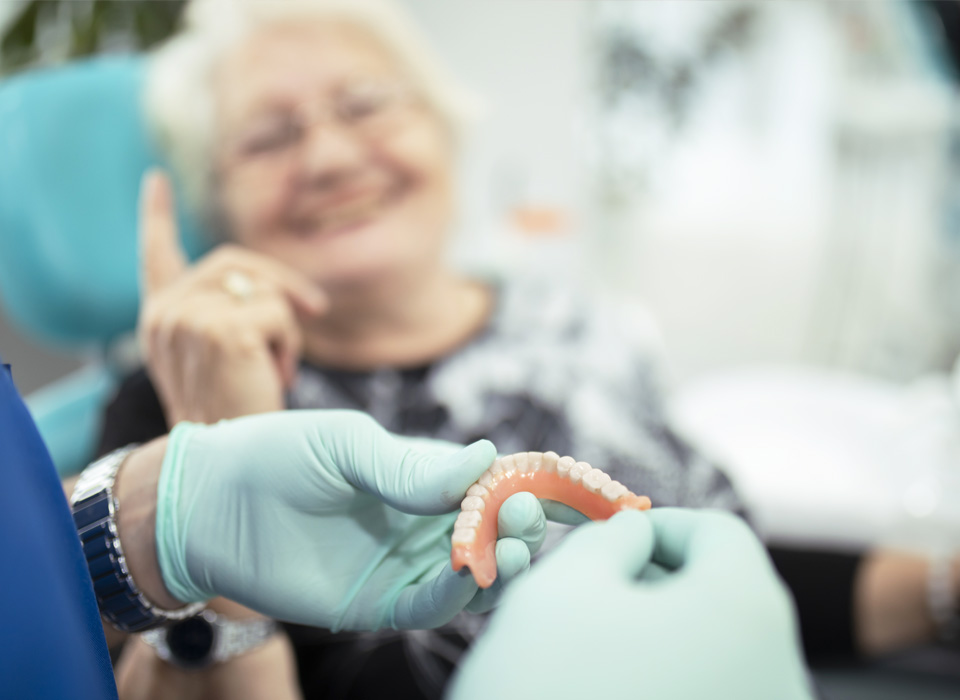
Dentures are sets of artificial replacements to counteract tooth loss. Whether due to decay, age, or injury, millions of people experience notable tooth loss each year. Dentures can help you reclaim comfort in daily tasks of living while also restoring a bright, natural-looking smile.
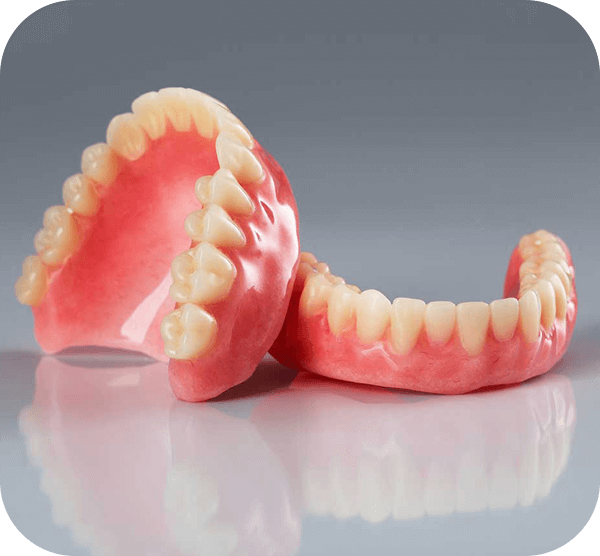
- Partial Dentures: Replaces several teeth in a row in the upper or lower jaw.
- Complete Dentures: Replaces an entire set of teeth in the upper jaw, lower jaw, or both.
The Advantages of Dentures
- Custom-made prosthetics for an ideal fit
- Restore ease of speaking and eating
- Easy to care for and maintain
- Durable materials for years of benefits
How to Get a Set of Dentures
Consultation
Preparing Your Mouth
Taking Impressions
Receiving Your Dentures
Dental Emergency? We got you covered.
We are open 5 days a week, including Saturday and evening appointments. Same Day appointments available.
Frequently Asked Questions
How long do dentures last?
Each set of dentures can last up to 10 years. After that, you may need a replacement set to avoid discomfort or a poor fit. Their durability can also depend on their materials and how well you care for them.
How do I clean my dentures?
How much do dentures cost?
What types of dentures are available?
The main types of dentures include:
- Traditional removable dentures. This type relies on your jawbone and gums for support.
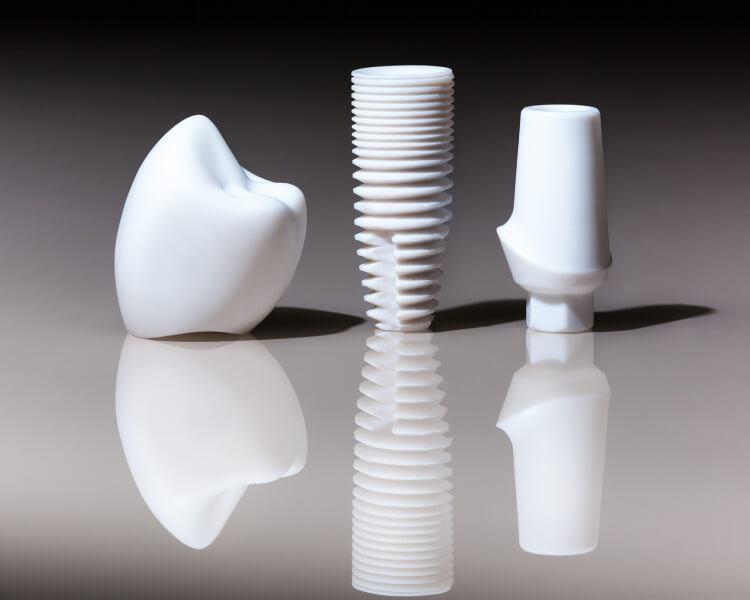
- Snap-in (snap-on) dentures. They are also removable but are attached to dental implants instead of resting on top of the gums.
- Implant-supported dentures. These dentures are permanently affixed to dental implants (non-removable).
- Partial dentures. This type of denture is used when you need to replace only several teeth in a row and not an entire arch of teeth. Partial dentures can be removable, snap-in, or implant-supported.
Am I a good candidate for dentures?
You are a good candidate for dentures if you need to replace multiple missing teeth in a row or an entire arch of missing teeth. Additionally, your gums should be relatively healthy, without active inflammation or gum disease. Lastly, since jawbone structure helps hold dentures in place, sufficient jawbone density is required. During your denture consultation and oral health exam, your dentist can determine if you can get dentures right away or require treatments first.
Are dentures better than dental implants or bridges?
Traditionally, dental implants are considered a superior method of tooth replacement compared to dentures and bridges. However, patients who cannot have implant surgery or do not have healthy natural teeth to support bridges will find dentures a great solution for replacing missing natural teeth. Dentures improve chewing function and nutrition, prevent changes in pronunciation, and help avoid a “sunken” face appearance. Additionally, modern high-quality dentures look very natural.
Will dentures look natural?
Modern high-quality dentures can look very natural. High-grade porcelain or layered composite resin used for crowns reflects light just like real tooth enamel. Gum bases are typically made of tinted acrylic designed to closely mimic the appearance of real gum tissue.
Is denture treatment covered by insurance?
Most dental insurance plans cover traditional dentures. Generally, you may expect 50% of the total cost to be covered by your insurance company. However, the coverage also depends on yearly maximums, deductibles, and waiting periods. Implant-supported and snap-in dentures may be considered an elective procedure, in which case they will not be covered, or you will receive coverage only for parts of the treatment. We recommend talking to your dentist about your particular case and filing a medical necessity claim to your insurance company.
What can I eat with dentures?
Traditional removable dentures do not provide the same biting and chewing strength as natural teeth. To prevent your dentures from slipping or shifting while eating, adjust your diet by choosing soft foods and cutting food into smaller pieces to make chewing easier. Examples of foods you can eat with dentures include:
- Soft cutlets
- Soups
- Cooked vegetables
- Mashed potatoes and pureed vegetables
- Bread without seeds
- Cheese and cottage cheese
Snap-on or permanently attached implant-supported dentures typically provide more stability and chewing power and allow you to enjoy a wider range of foods. That said, it is still best practice to avoid crunchy, hard, and chewy foods.
What should I do if my dentures become loose or uncomfortable?
If your dentures become loose or uncomfortable, they likely need to be replaced or adjusted. It is natural for dentures to become uncomfortable even if they were comfortable before, as the structure of your jawbone changes slightly with time when you do not have natural teeth.
If you experience discomfort with your new dentures, we recommend trying a denture adhesive and switching to a softer diet. If the discomfort does not go away and you can not get used to your dentures within a couple of weeks, make an appointment with your dentist and ask for your dentures to be adjusted.
Book Your Appointment
Call our office to set up your next appointment with a leading dentist in Santa Ana to see if dentures are right for you. Rebuild your smile with custom-made partial or complete dentures at Santa Ana Magic Smile.